
For decades, cigarettes were as common in uniform as a canteen and a helmet liner.
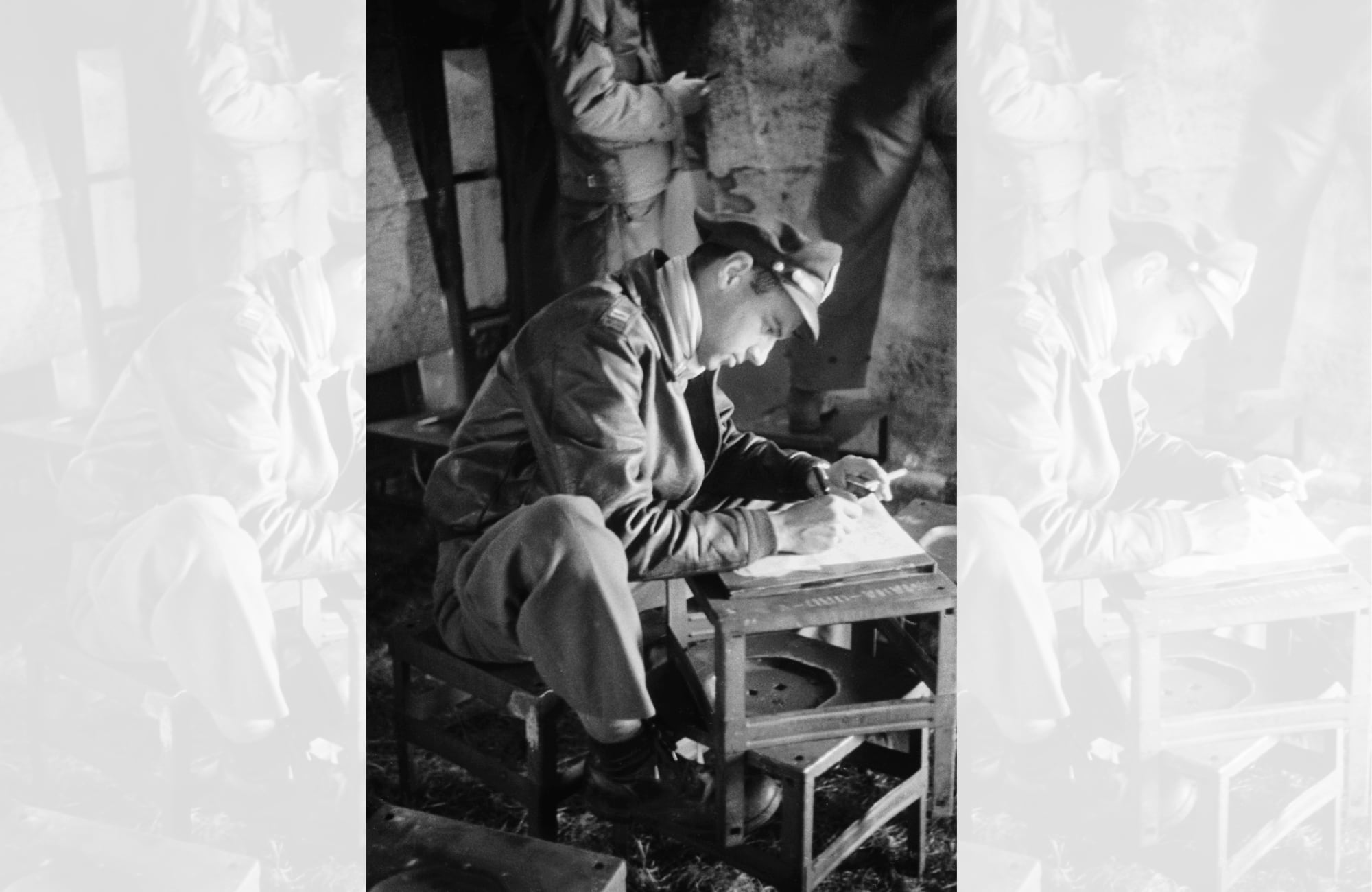
In World War II, tobacco was not treated as a vice; it was a comfort item. Cigarettes were packed into rations as morale boosters, something that could steady nerves between missions, the Imperial War Museums note. The image of a soldier lighting up in a muddy trench or on the deck of a ship became inseparable from the mythology of the American warfighter. The phrase “smoke ‘em if you got ‘em” became a broader cultural idiom, according to the Army Historical Foundation.
That normalization lasted for generations. Smoking was woven into daily military life. A cigarette break punctuated patrols and long nights on guard duty. The smoke pit became a place where rank blurred slightly, and information flowed freely. For young troops far from home, nicotine offered routine in environments defined by uncertainty.
But the same institution that once distributed cigarettes eventually had to reckon with the consequences.
As medical research sharpened the link between tobacco use and long-term health problems, the Department of Defense shifted its posture. Smoking inside military facilities was banned in 1994, and recruits arriving at basic training found tighter restrictions around tobacco use than their predecessors.
In 2016, the Pentagon moved to eliminate discounted tobacco sales in on-base exchanges, raising prices to match civilian markets in an effort to remove financial incentives.
Despite that shift, nicotine use has not disappeared; it has adapted. A recent report found that soldiers are significantly more likely to use modern nicotine pouches than civilians, underscoring how quickly habits evolve inside the ranks.
Today’s service members are less likely to be seen with a cigarette and more likely to carry a vape or a can of tobacco-free nicotine pouches, which have been linked to oral and dental health issues and cardiovascular disease risk. Marketed as cleaner, smokeless and discreet, these products fit easily into field environments and office settings alike. They also sidestep some of the social stigma attached to traditional smoking.
The military has responded by expanding resources for quitting tobacco. Tricare covers tobacco cessation counseling and prescription medications, while military treatment facilities offer nicotine replacement therapy such as patches and gum. The Defense Department also promotes health coaching programs as part of its broader force health protection strategy.
Still, anyone who has served knows the smoke pit has not vanished. It remains a gathering place, a bond that only those who don the uniform can truly understand. It is where junior enlisted troops vent about leadership, where NCOs gauge morale and where small frustrations surface before they grow larger. In many units, stepping outside for a smoke remains one of the few unofficial breaks in a tightly structured day.
That cultural role complicates enforcement. Leaders must balance individual autonomy with readiness standards. Smoking and nicotine use are tied to higher injury rates, slower recovery times and long-term healthcare costs, all of which affect deployability. At the same time, troops operate under sustained stress, long hours and frequent moves. For some, nicotine functions as a coping mechanism that is accessible and socially reinforced.
The military’s relationship with tobacco reflects a broader evolution. What began as a morale staple, packed alongside rations, has become a regulated health concern measured against mission impact. The products may look different in 2026 than they did in 1945, but the underlying tension remains.


In Other News