A growing cohort of Air Force researchers are arguing that the service needs to undergo a munitions revolution if it is to take on a peer-level adversary in open conflict.
“We’re developing a range of technologies to enable next-generation and improve precision effects on the battlefield,” Col. Garry Haase, who helms the Air Force Research Lab Munitions Directorate, told an audience at the Air Force Association Annual Conference this fall.
In some instances, that will mean more powerful munitions to breach and destroy Russian and Chinese structures in the event of war.
“There is now a shift in emphasis away from minimizing to maximizing effects in a high-end fight,” said John Wilcox, vice president of advanced programs and technology at Northrop Grumman, at the conference.
“Requirements from our missions directorate say we continue to have to deal with the whole spectrum of threats as we shift to more of a near-peer threat focus,” Wilcox added. “We are looking at larger munitions with bigger effects.”
And while neither members of the AFA panel named Russia or China specifically, a recent study by the Mitchell Institute, which is aligned with the Air Force Association, certainly did.
In the document, titled “The Munition Effects Revolution,” several retired senior Air Force officers argue that the U.S. munitions arsenal is overdue for a shakeup.
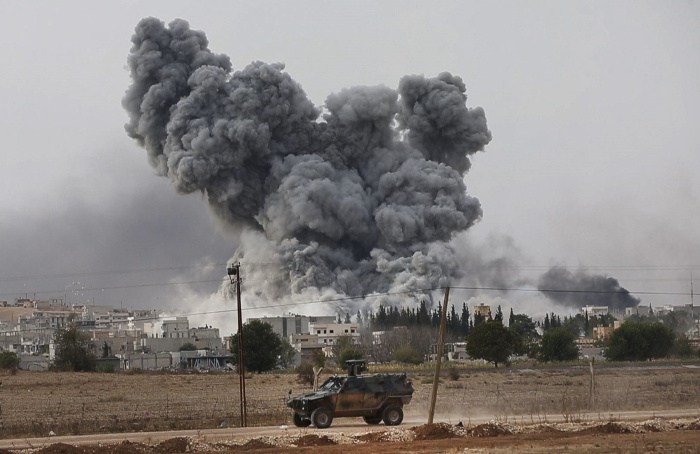
“The bomb body, a steel shell filled with explosive material, is relatively unchanged across the past 100 years,” the study reads. “But some elements of modern munitions have significantly evolved—particularly guidance elements. Munition effects—the destructive envelope of heat, blast, and fragmentation—remain essentially unchanged.”
High demand for combat aircraft is a key driver behind the need for enhanced munitions options, according to the Mitchell Institute.
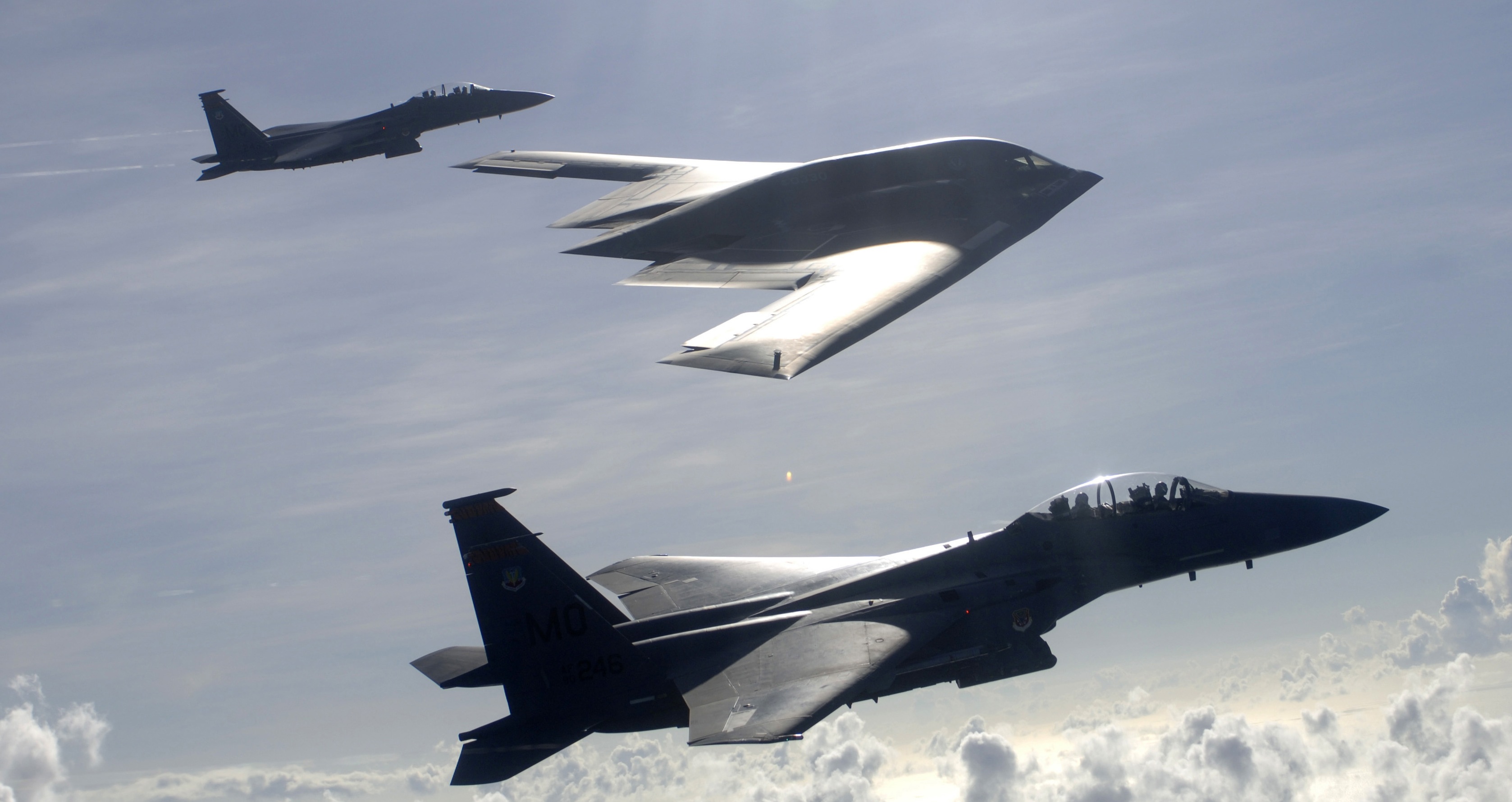
“The Air Force is currently operating the smallest and oldest aircraft force in its history,” the study reads. “Additionally, current mission capable rates are low and pilots are in increasingly short supply. To best meet combatant command requirements amidst these constraints, it is crucial to ensure each sortie flown and every bomb dropped yields maximum potential.”