The Department of the Air Force is requesting $24.8 billion for their Weapons System Sustainment program for fiscal year 2027, with almost all of the funding going toward the Air Force after years of declining mission capable rates across the service’s aircraft fleet.
Of that $24.8 billion requested, $22.6 billion is slated for the Air Force, while $2.2 billion is meant for the Space Force, according to U.S. Air Force budget documents.
The budget includes funding for items such as depot maintenance, software updates and engine overhauls, according to the department’s posture statement.
The program is a part of the overall Operation and Maintenance portfolio, which has seen a 23% increase and $9.9 billion allotted for the flying hour program to boost pilot flying hours to over a million.
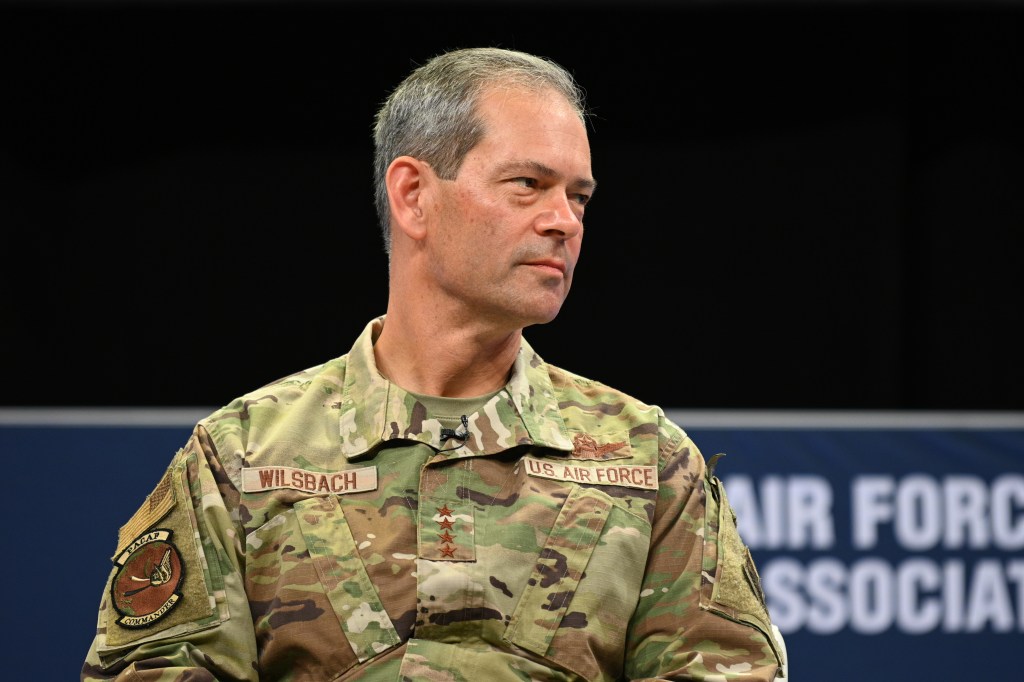
In a Thursday House Appropriations Committee budget hearing for the Air and Space forces, Air Force Chief of Staff Gen. Ken Wilsbach said that Operation Epic Fury increased pilots’ flight hours through their support of Air Force and Joint Force troops.
“Our mobility machine has been operating marvelously through the last operations but in particular through Epic Fury,” Wilsbach said in the hearing.
He said that the ability to continue these additional flight hours and operations will rest on the Weapons System Sustainment fund of around $22 billion for the Air Force.
The general said that as the force brings back the aircraft used in Operation Epic Fury, the service will need to refurbish them and allow them to extend their lifetime.
Operation Epic Fury utilized a variety of combat and support aircrafts such as the A-10 attack aircraft, B-1 bomber, F-15E striker and B-52 bomber.
The general did not specify the total number of flying hours the operation added to the service, but the operation reported more than 13,000 targets struck by the Joint Force over 38 days.
U.S. bombers flew at least 18 missions with each one lasting over 30 hours in duration, according to data from the National Defense Transportation Association.
For fiscal 2027, the budget also calls for funding for 1.1 million flying hours in the Flying Hour Program, which is the “maximum executable level for the total force.”
The document highlights that even though this amount is below the department’s goal of 1.3 million flying hours, the service is working to address the issues that limit flying hour capacity such as pilot shortages and aircraft difficulties.
“Recognizing the intrinsic link between aircraft availability and pilot training, we are making simultaneous, targeted investments in Weapon System Sustainment and the Working Capital Fund to increase aircraft readiness rates,” the budget document reads.
The department’s total budget request for fiscal year 2027 is $338.8 billion. Hearings on the budget’s components began mid-April, with formal approval by Congress expected closer to or after Oct. 1, when 2027 fiscal year begins.