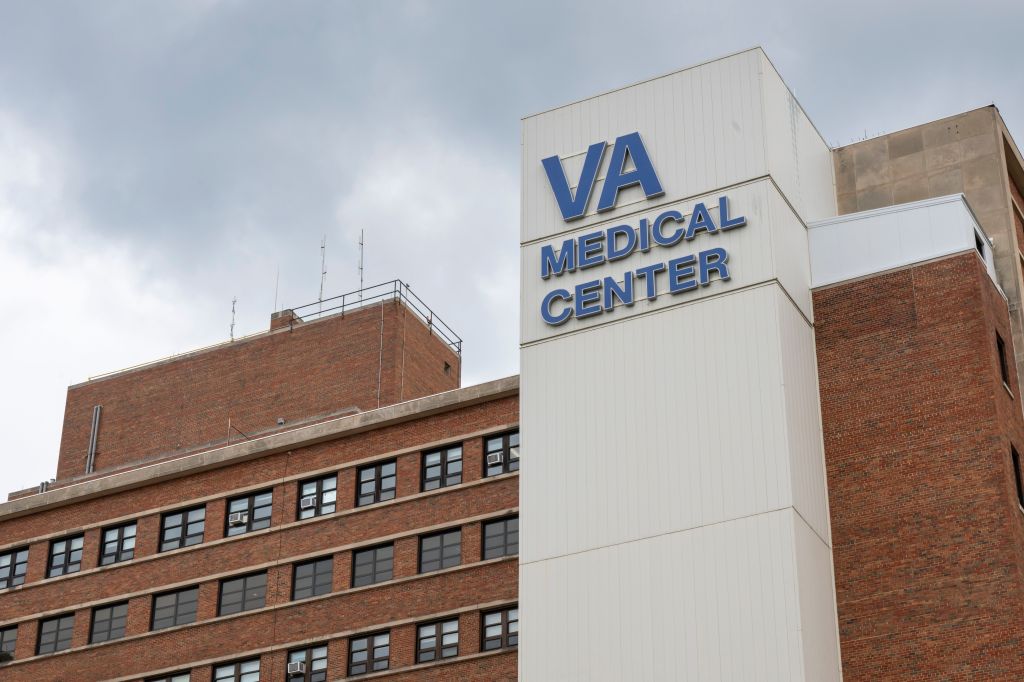
More than half of the Department of Veterans Affairs medical centers have reported severe staffing shortages for jobs such as nurses, nursing assistants and psychologists, according to a new report from the VA’s Office of Inspector General.
In a report published Friday, the VA watchdog found that 59% of the VA’s 139 reporting facilities struggle to hire qualified practical nurses and 58% face issues hiring psychologists. For non-clinical staff, 57% of Veterans Health Administration leaders reported shortages of potential VA police officers while 53% faced problems hiring custodians.
The report, based on surveys from late March and early April, shows VA hospital leaders’ perceptions of occupations that are difficult to fill, not vacancies.
According to the report, VHA officials reported 4,712 severe staffing shortages across 389 occupations.
The surveys cover fiscal 2026, a period following a reduction in VA staff by roughly 30,000 jobs. Since Sept. 26, 2025, the VA workforce has declined by more than 19,000 persons, including 11,000 from the VHA, which manages the department’s health care services.
A VA official said Monday that the OIG report is not a reliable tool to assess staffing shortages because it is not based on actual vacancies. VA Press Secretary Quinn Slaven noted that the report states that a staff shortage refers to “occupations that are difficult to fill,” and this designation “does not necessarily indicate the presence of vacancies.”
But Democratic lawmakers who track VA staffing say the surveys indicate a problem, given that the fiscal 2026 report showed 4,712 severe shortages compared with 2,959 in fiscal 2024.
In the surveys, nearly all VA facilities — 97% — reported severe occupational staffing shortages for medical officers, up from 94% in fiscal 2025, while 86% reported shortages for nurses, up from 79% the previous year.
But Slaven said VA continues to “outperform most other health care organizations” when it comes to staffing, and actual vacancy rates are 15% for doctors and 9% for nurses.
“These are lower than most other health care systems, in line with normal VA historical averages and much lower than the respective 19% and 20% physician and nurse vacancy rates VA saw at times during the Biden Administration,” Slaven said in a statement to Military Times.
He added that pay caps for physicians hinder the VA’s hiring, and the department has asked Congress to address the “longstanding pay disparity” that hurts recruitment.
He noted that since January 2025, the VA has opened 41 new health clinics, enrolled an additional 250,000 veterans in health care and increased medical appointments at VA facilities and in the private sector by 4.1% and 12%, respectively, since fiscal 2024.
Sen. Richard Blumenthal, D-Conn., issued a report last year charging that veterans services, including health care and research, were affected by the loss of 40,000 employees at the VA in President Donald Trump’s second term from voluntary retirements, resignations and layoffs.
On Monday, Blumenthal said the OIG report on staffing shortages was also affected by the elimination of “tens of thousands of positions” at the VA’s health care system, which he said artificially reduces vacancy rates and prevents facilities from hiring needed staff.
“This report confirms that staffing shortages at VA continue to increase in number and impact,” Blumenthal said in a statement to Military Times. “Even more employees left VA because of the toxic work environment this administration has created.”
According to the report, the top five medical occupations experiencing severe staffing shortages across VA facilities are: practical nurses, psychologists, psychiatrists, social workers and nursing assistants.
The top five non-clinical occupations with shortages are: police officers, custodial workers, medical support assistants, food service workers and health care engineers.
As with previous reports on severe staffing shortages, the OIG made no recommendations to VA leadership regarding the data.
“This report is a descriptive review and is intended for informational purposes,” wrote Dr. David Krulak, assistant inspector general for healthcare inspections.