For decades, military officers seeking promotion to general or flag officer have been evaluated through their career records, including performance reports, command assignments, education and operational experience.
Now, the Pentagon is adding a new measure for advancement: how officers perform when presented with a military problem and required to make decisions under pressure.
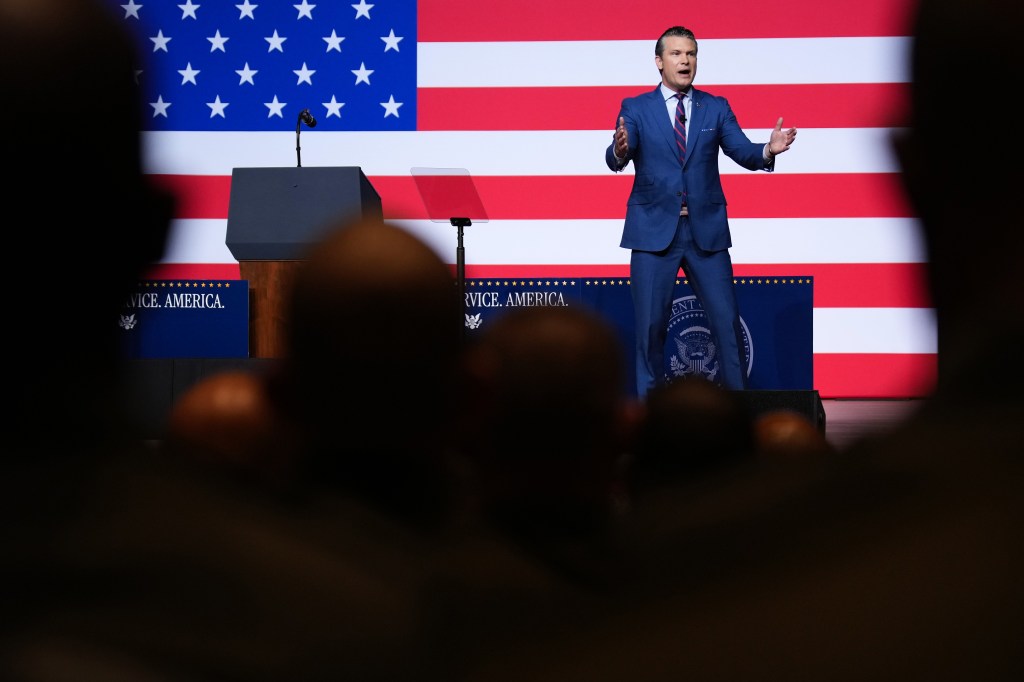
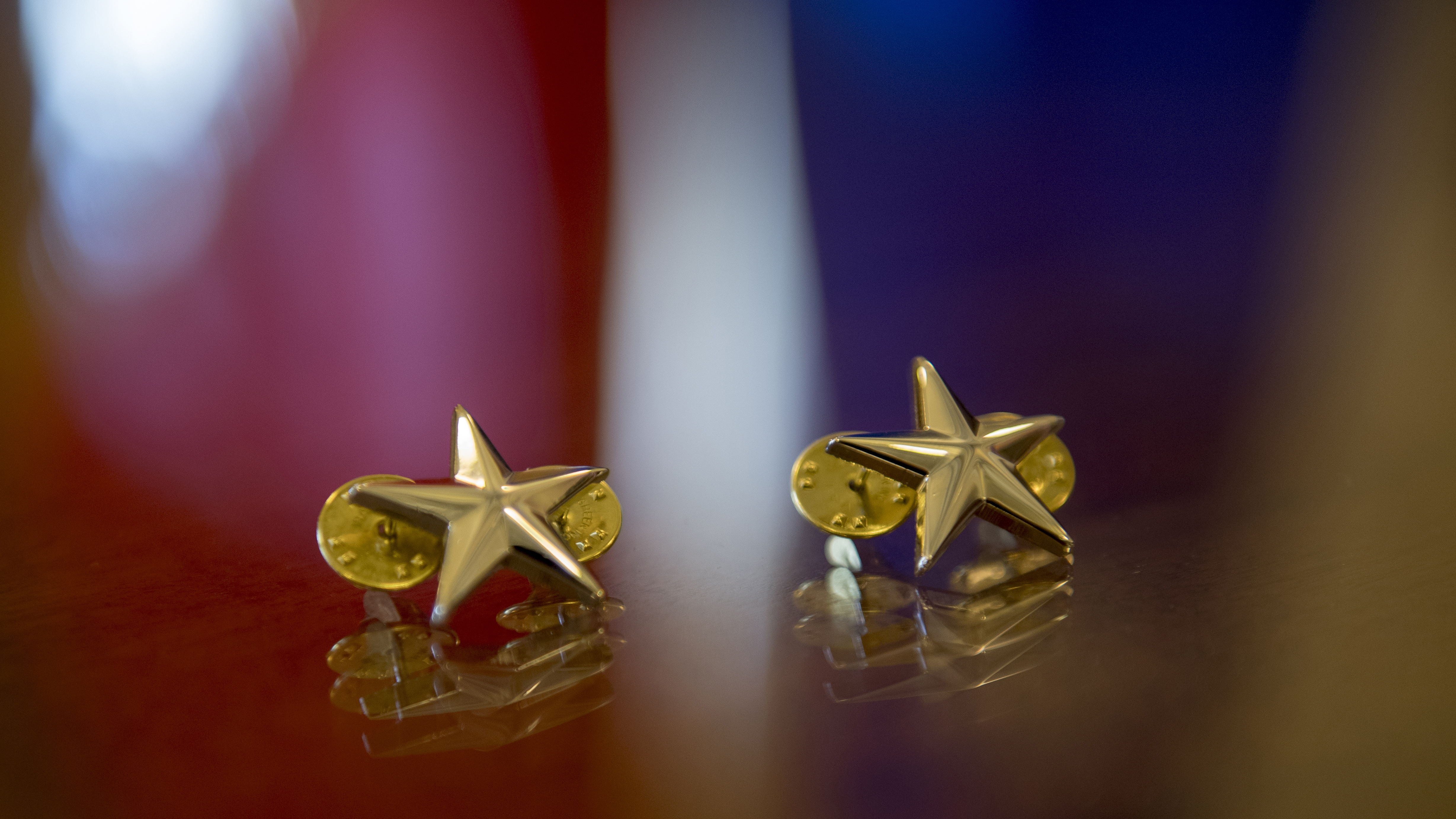
Defense Secretary Pete Hegseth announced Tuesday that eligible Army, Air Force and Marine Corps colonels and Navy captains screening for promotion to one-star will undergo a new Joint Warfighter Evaluation, or JWE. The assessment is intended to measure officers’ operational planning, decision-making and leadership under simulated combat conditions. It will supplement, rather than replace, existing service promotion processes.
The JWE grew out of Hegseth’s broader effort to change how the military evaluates and promotes senior leaders. In announcing the evaluation, Hegseth said the effort had been in development for about a year and that the assessment is intended to measure officers’ ability to “fight, adapt, and win” in a chaotic battlespace.
Internal service plans obtained and reviewed by Fox News show that the JWE consists of six versions, one for each of the five military services and another through the Joint Staff.
The assessments vary considerably, ranging from remote written assessments and digital simulations to hours-long, in-person wargames, Fox News reported. In some versions, officers will be presented with a military problem and make decisions as an AI-powered adversary responds to their moves; another brings officers to a war college for an in-person wargame in which evaluators observe their responses as an opposing force counters their decisions.
Service-specific figures and formats were made available by Fox News, which reported that it reviewed internal documents. The reporting had not been independently confirmed by the Pentagon as of Tuesday evening.
According to the news outlet, Army plans to assess roughly 900 eligible colonels through a remote written assessment, followed by a digital wargame. The Air Force intends to give a two-hour online analysis followed by a one-hour interactive simulation for roughly 1,330 colonels. The Space Force will follow a similar format for roughly 125 officers.
The Navy is planning an in-person assessment for roughly 308 captains in the unrestricted line and information warfare communities. Those officers are expected to travel to the Naval War College for a three-hour written assessment followed by a two- to three-hour wargame.
Meanwhile, the Marine Corps plans to use an eight-hour remote evaluation for up to 175 colonels using an AI-enabled platform that combines written assessments with situational-judgment tests. Comparable details about the format of the Joint Staff version have not been revealed.
The Pentagon has not established how heavily the results will influence promotion decisions.
Stuart Scheller, the senior Pentagon adviser leading the effort, told Fox News that existing performance reports will remain the “bedrock” of promotion decisions, with the JWE providing an additional data point.
“The secretary still has judgment based on how it will be weighted in the board, so we haven’t determined. We’re kind of waiting to see how well this thing is rolled out,” Scheller said.
The first assessments are expected to take place from February through June 2027, ahead of O-7 promotion boards scheduled for July through September. The Pentagon plans to study the results from that first cycle before determining how the assessment should evolve and how much influence it should have on future promotion boards.
Scheller also acknowledged that no exercise can perfectly recreate the pressures of combat and said the Pentagon expects to change the assessments as it learns from the first cycle.
“Right now in our current system, we have people that are very good at navigating their careers,” Scheller said. “We have very good — I want to be clear, very good — military personnel and leaders across the military, but there isn’t a stand-alone function that can truly assess the best military commanders on the battlefield.”