ready to edit
A stealth bomber without nukes? Air Force general says new bomber needed even if it flies without nuclear weapons.
The Air Force’s next-generation bomber is a necessary purchase, even if the nation depends less on a full nuclear triad or the use of nuclear weapons, a top Air Force official told lawmakers April 15.
“The ability of the U.S. Air Force is to hold at risk any target in the world in a matter of hours,” Maj. Gen. Garrett Harencak, assistant chief of staff for nuclear deterrence, told a House Armed Services panel. “The ability to penetrate enemy air defenses and prosecute the target is fundamental to what the United States Air Force does. Our ability to do that in long-range strike aviation, specifically bombers, is not going to be possible with legacy systems.”
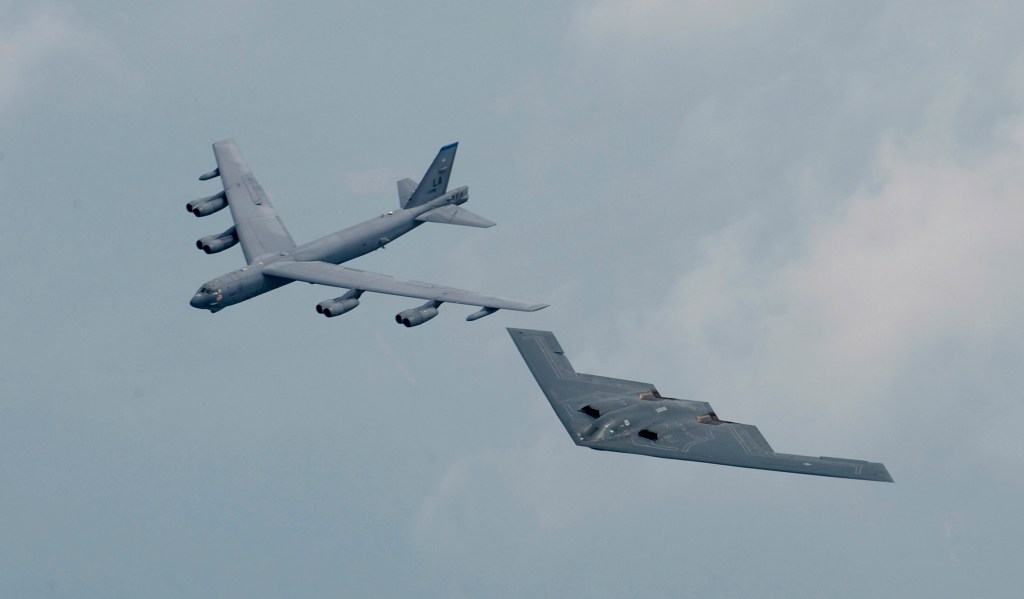
The long-range strike bomber, which will eventually replace the B-52 and B-2 fleets, is expected to be optionally manned and have the ability to carry nuclear and conventional weapons. The service hopes to field 80 to 100 of the bombers, starting in 2020. It expects to spend about $500 million per aircraft, and will award a contract in the next few months.
Harencak’s comments are the latest in a large public push to make the case that the long-range strike bomber is a national priority, and that the service needs to be a focal point in the discussion about the future of the nuclear enterprise.
The push, led by Chief of Staff Gen. Mark Welsh, includes a change in leadership for Air Force Global Strike Command with the new four-star leader Gen. Robin Rand. The command previously has been led by a three-star general. The higher rank should let the service have a stronger voice for its nuclear mission within the Defense Department.
The Air Force is “trying to get back into the mode of taking a leading role in the nuclear debate in this country,” a role it shares with the Navy, Welsh said April 2. “We lead and execute two-thirds of the nuclear triad, for Christ’s sake. We should be in the middle of the policy debates on this issue.”
The Air Force’s other leg of the triad, intercontinental ballistic missiles, need modernization as well, Harencak said. The service’s fleet of Minuteman III missiles has been in service since 1970, with many of the launch silos older than the missiles themselves. The service’s program to replace the missile, called the ground-based strategic deterrent, will include new control centers along with missiles, but that upgrade is still several years away. For now, the Air Force relies on maintainers to keep the aging systems functioning.
“It is an amazing engineering challenge to keep that system up and functioning as well as it is,” Harencak said.